.svg?v=2026-07-29T07%3A18%3A55.665Z)

Campaign attribution
Live todayProve the campaign worked.
Delivery is the easy half. The question that decides the renewal is whether the campaign did anything - and most stations answer it with a separate attribution product from a separate vendor, weeks after the flight ended. Spotwise measures the result against the plan that was sold, on the same system that heard the campaign air, and the post-campaign report goes to the client without anyone assembling it.
What it is
From what aired to what it did.
Campaign attribution connects a campaign’s broadcast footprint to the response it produced, and sets both against the plan the client bought.
Attribution is usually the one job in this list that a station buys from somewhere else entirely: a separate product, a separate vendor, a separate invoice, and a report that arrives long after the conversation it was meant to inform. By the time it lands, the renewal has already been decided on impressions and goodwill.
Spotwise already holds the campaign’s exact broadcast footprint - every spot, every placement, every daypart. Attribution is that footprint set against response and against the plan that was sold: what was promised, what aired, what followed. The result is a post-campaign story your seller can rebook from, produced by the same system that ran the campaign rather than bought from a second one.
- Anchor to the plan
The campaign as sold - flights, dayparts, stations, weight - is held as the baseline everything is measured against. Attribution answers a question about a specific commitment, not about radio in general.
- Measure the footprint
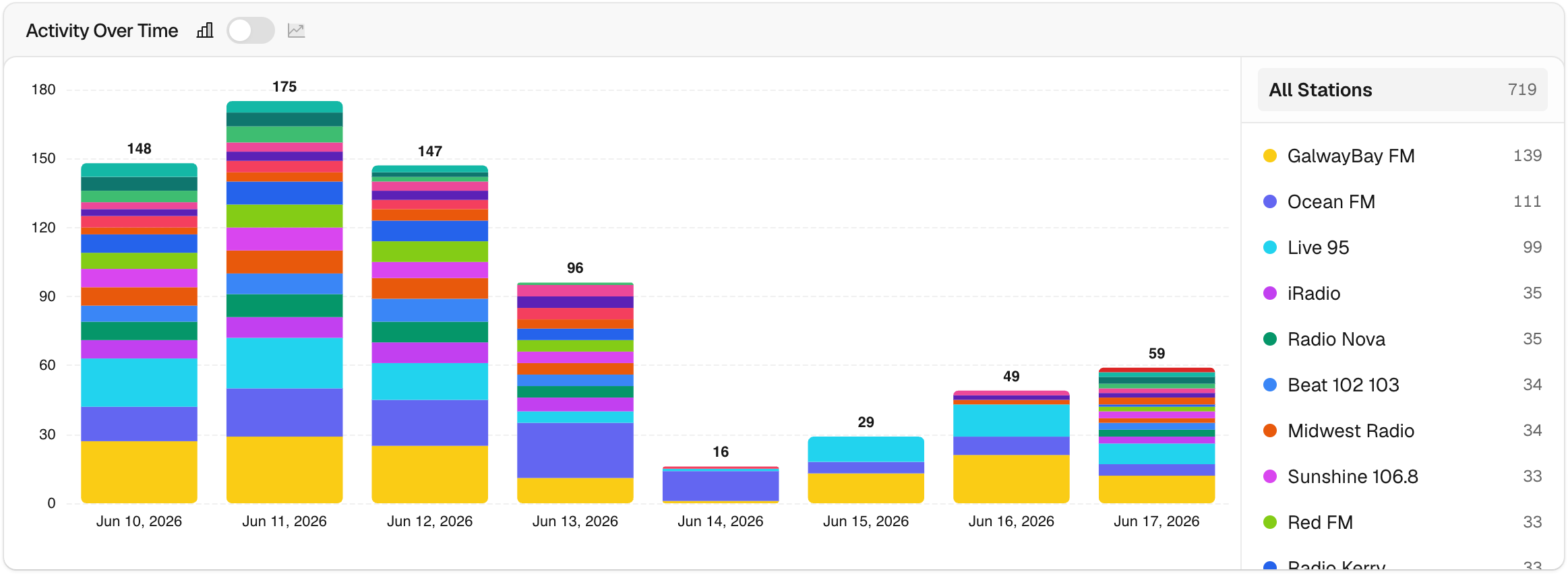
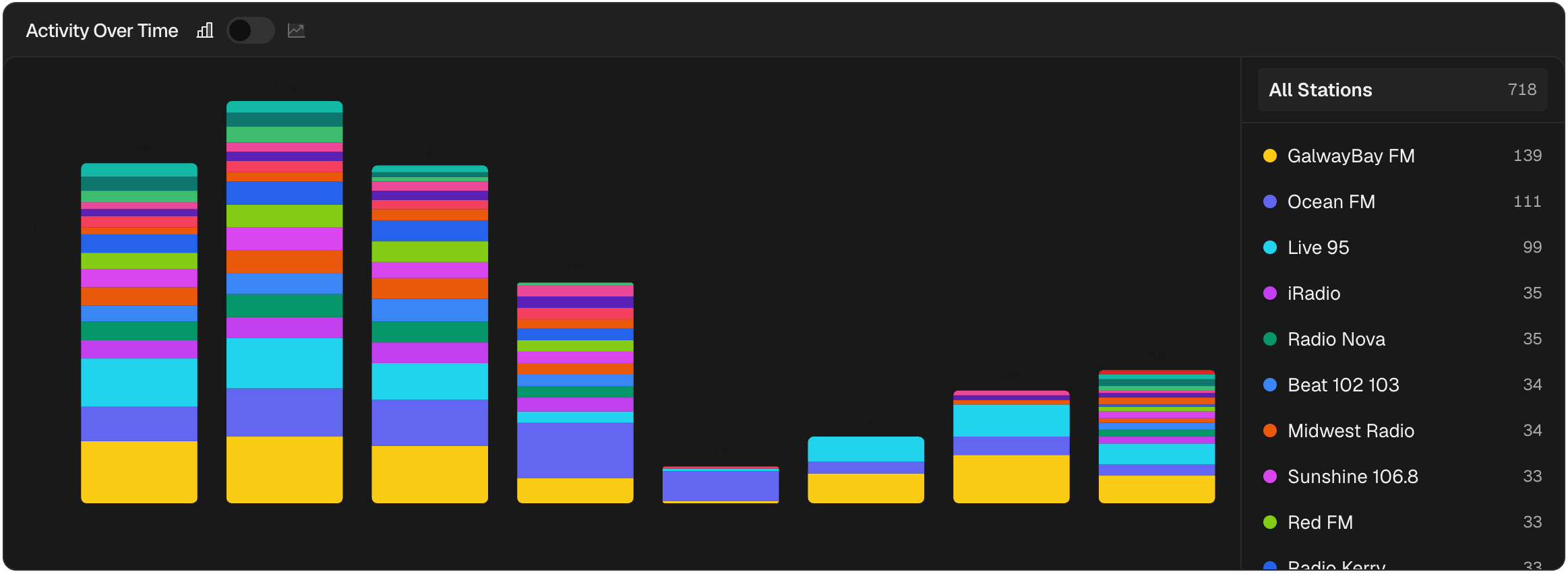
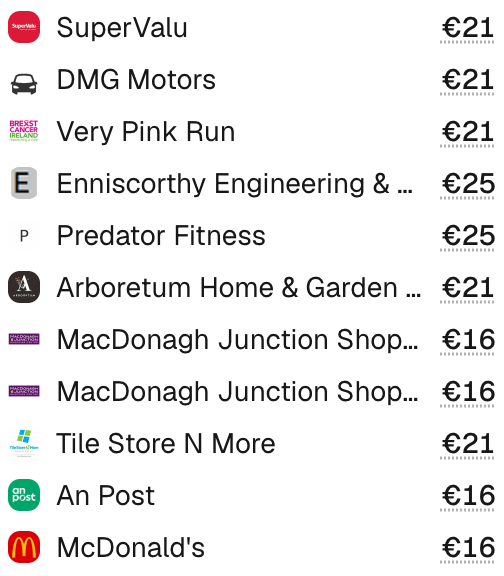
Every detected spot across radio, TV and podcasts is placed on a timeline with its station, daypart and creative version. This is the exposure side of the attribution, taken from what aired.
- Attribute the response
Response signals are aligned to that exposure timeline, so lift can be read against flights and dayparts rather than against a flat monthly total. Modelled figures carry their method, as always.
- Compare to the plan
Delivered against sold, result against expectation, this flight against the client’s own history. The comparison is the argument, and it is assembled rather than argued.
- The report sends itself
When the campaign ends the post-campaign report goes to the client automatically, and the renewal or upsell is drafted from what the numbers say. A human approves before anything is sent, and every action is written back to HubSpot, Pipedrive or Salesforce. If it runs off what airs, it can be a workflow.
Capabilities
Measurement built for the renewal conversation.
A result only counts if it reaches the client while the budget for the next flight is still open.
- Attribution against the plan
- Result read against the specific flights, dayparts and weight the client bought, so the report answers what they actually asked for instead of reporting an aggregate.
- Exposure timeline
- Every detected spot on a timeline with its station, daypart and creative version - the exposure side of attribution built from what aired rather than from what was scheduled.
- Automatic post-campaign report
- The client-ready report assembles itself when the flight ends and goes out on approval. No end-of-month scramble, no account manager rebuilding the same deck.
- Mid-flight result signals
- If a campaign is tracking below what its plan implies, your team hears about it while there is still flight left to change - and the conversation with the client is proactive.
Who it serves
Built for teams accountable for the result.
Client services & account teams
Lead the performance conversation with a report that arrived on its own, and open the renewal with the result already on the table.
Sellers going into a rebook
Argue the next flight from what the last one produced, measured against what was promised. A rebook grounded in a result is a different conversation from a rebook grounded in a relationship.
Commercial leadership
Campaign outcomes across the whole advertiser base in one view, on the same platform and the same invoice as the monitoring - instead of an attribution product bought separately.
Why it matters
The result is what renews the budget.
Retire the separate attribution vendor
A separate product, a separate contract and a separate login for the last step of the campaign is the fragmentation this platform exists to remove. The measurement belongs where the campaign already lives.
Report before the client asks
A post-campaign report that arrives automatically, days rather than weeks after the flight, lands while the next budget is still being decided.
Rebook on evidence
Delivered against sold, result against expectation, this flight against the client’s own history - the three comparisons that make a renewal an easy yes.
The report ends in a proposal
Every monitoring tool stops at the report. Here the report ends in a drafted renewal, a CRM record, and a human deciding whether to send it.
See it live
Prove the last campaign. Sell the next one.
Start a pilot and we will run attribution against a campaign on your own stations, then show the post-campaign report and the renewal it drafts.
Common questions
What teams ask about proving a campaign worked.
Related solutions
The renewal is decided on the result
Stop promising performance. Prove it, then rebook it.
A flight ends on your stations this week and nobody has started the report. Spotwise measures it against the plan you sold, sends the client the post-campaign report, and drafts the renewal for your seller to approve.